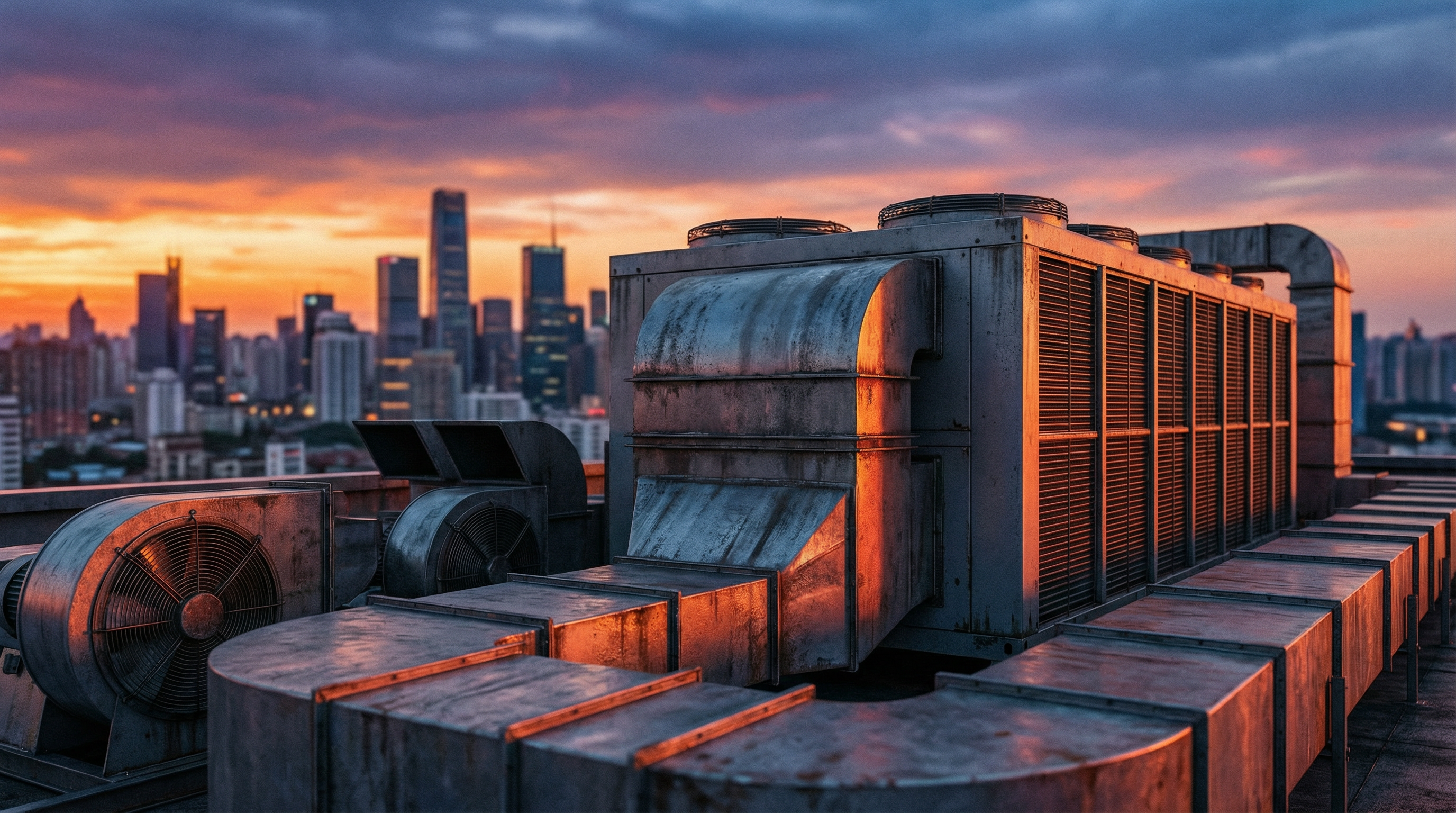
The HVAC industry is undergoing one of its most significant shifts in decades. As the phase-down of HFCs accelerates, the transition to A2L refrigerants is no longer a distant topic—it's the new reality on the job site.
We sat down with a panel of industry veterans and technical trainers at the Austin HVAC Expo to cut through the noise and get to the practical truth of what this change means for the daily life of a technician.
The Safety Question
"The biggest misconception is the fear factor," says Mike Torres, a lead technical trainer with over 20 years in the field. "Yes, A2Ls are mildly flammable. But we're not talking about propane here. The ignition energy required is significant. It's about respect for the chemistry, not fear."
Torres emphasizes that the new safety protocols—like purging with nitrogen and using spark-proof tools—should have been standard practice all along. "If you've been doing things the right way, this transition is a minor adjustment. If you've been cutting corners, well, now you have to stop."
Tooling Up
For business owners, the transition does mean an investment. New recovery machines, leak detectors calibrated for A2Ls, and left-handed thread adapters for tanks are becoming standard.
"It's an investment in the future of your business," notes Elena Rodriguez, owner of CoolTech Solutions. "We spent about $1,500 per truck to get fully updated. It sounds like a lot, but compared to the liability of using the wrong gear, it's cheap insurance."
The Training Gap
The consensus among our panel was that the hardware is ready, but the workforce might not be. There is a rush to get technicians certified, but certification doesn't always equal competence.
"We need more hands-on labs," argues David Chen, a curriculum developer for a local trade school. "Watching a video about flammability limits is one thing. Actually handling the new tanks and seeing the pressure differences in real-time is another. We're pushing for mandatory practical exams, not just online quizzes."
Looking Ahead
As we wrapped up our conversation, the mood was optimistic. The industry has weathered transitions before—from R-12 to R-22, and then to R-410A. Each time, the standards of professionalism went up.
"This is a chance to elevate the trade," Torres concludes. "It separates the professionals from the trunk slammers. If you're willing to learn and adapt, you're going to be more valuable than ever."
About the Author
Sarah Jenkins
Senior Contributor at HVAC Spotlights